
What to Expect Before and After a Facelift: A Recovery Timeline
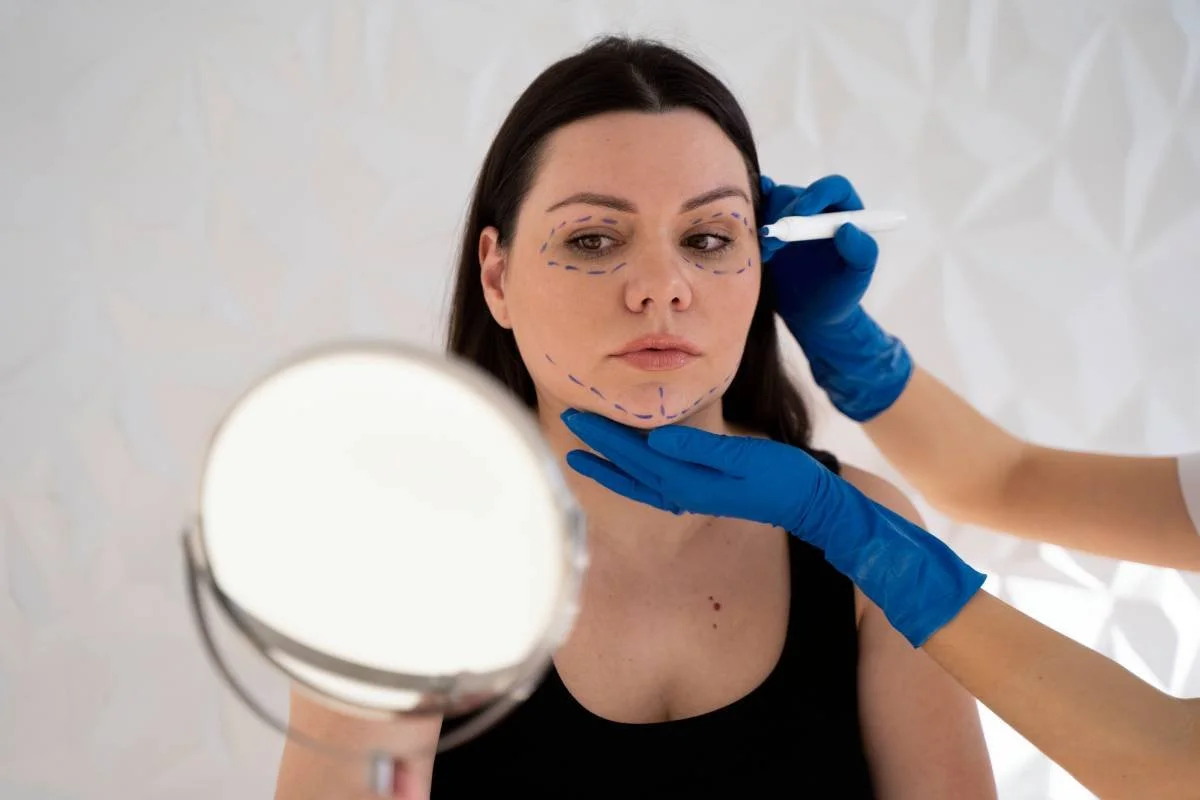
Facelift surgery often raises many questions. How much downtime will you need? When will you feel ready for work, friends, or the mirror without studying every trace of swelling?
The healing process is a long journey that manifests in various ways for different patients. A facelift is an individual process, and therefore, recovery has to be individual. Being aware of the rough steps makes the procedure less fearsome.
Dr. Otto Weiglein and team, at The Centre for Personal Surgery, help patients understand their facelift, prepare properly, and learn what to expect.
Before Your Facelift: Give Yourself Time to Recover
The process begins before the day of surgery. During your consultation, discuss your objectives, health history, medications, supplements, smoking or vaping habits, and past procedures. Such information assists your surgeon in proposing the right course of action and providing you with specific guidelines.
Get your house ready, too. Arrange a ride home, invite someone you trust to be with you, pack some simple meals, and prepare a comfortable area with pillows to keep your head raised.
Days 1 and 2: Rest Is the Plan
After surgery, you may feel sleepy from the anesthesia. Your face and neck may feel tight, tender, swollen, or bruised, and dressings may be in place.
For the first two days, rest, drink fluids, take prescribed medication as directed, and follow your post-operative instructions. Do not judge the results yet. You are seeing the beginning of the healing process, not the outcome.
Days 3 to 7: The Most Noticeable Stage
Swelling and bruising may be the most prominent on days three and four. You can also have temporary numbness, tingling or tightness. The mirror may be unkind at this point, but these initial transformations are part of the healing process of the body.
The success of your surgery will be evaluated by your surgeon at your follow-up appointment. Moving around the house can be advised, but exercises, lifting, bending, and anything that increases your heart rate should be postponed until you are given the go-ahead.
Week 2: You Begin to Turn a Corner
After the second week, most individuals are more at ease. Bruising subsides, swelling resolves and normal movements become more comfortable. Depending on your procedure and the recommendations of the surgeon, you might be able to take short walks, run errands, or sit at the desk.
There is nothing wrong with wanting some additional privacy before being able to resume social activities, gatherings, and photographs. The recovery process does not follow a flawless timeline, and when you compare your healing process with that of another person over the internet, you may impose undue stress.
Weeks 3 and 4: More Comfortable Being Seen
Around weeks three and four, most patients look and feel noticeably better. Mild swelling, tightness, or numbness may linger, especially around the ears, jawline, or neck, but the face often starts looking softer and more settled.
Many people feel ready to return to a fuller routine. Makeup may camouflage remaining bruising once your surgeon approves it. Continue following guidance about exercise, sun protection, skincare, and scar care.
One to Three Months: Let the Result Evolve
Over the following months, residual swelling continues to fade, and the tissues settle. Your face begins to reveal its refreshed contours more naturally. The right facelift should not make you look like another person. It ought to make you appear rested, self-assured and identifiable.
At The Centre for Personal Surgery, treatment does not stop once the surgery is done. Pre and post-surgery support will assist patients in asking questions and keeping track during recovery.
Frequently Asked Questions
-
Most individuals take around two weeks off, especially when they are dealing with clients. Your individual healing, comfort, and procedure determine your time.
-
Tightness, soreness or pressure are mentioned by most patients instead of intense pain. To deal with discomfort safely, your surgeon will give you a plan.
-
Light exercise could be appropriate initially. Turning and lifting, as well as strenuous exercise, are not to be undertaken until your surgeon says it is okay.
-
You may see changes early, but the final result develops gradually as swelling settles. This can take several months.
-
Your treatment plan should be designed around your own features and goals. During a consultation, discuss the change that feels right for you.
Choose a Team That Stays With You
A facelift is a significant choice. One should be well-informed, have realistic expectations and be taken care of both prior to and after surgery. The Centre for Personal Surgery provides individualized consultations, tailored planning and recovery care to patients seeking facial rejuvenation. Make an appointment with Dr. Otto Weiglein and proceed with a team that makes your comfort, security, and confidence the focal point of the discussion.