
Tummy Tuck Recovery Timeline: What to Expect Week by Week
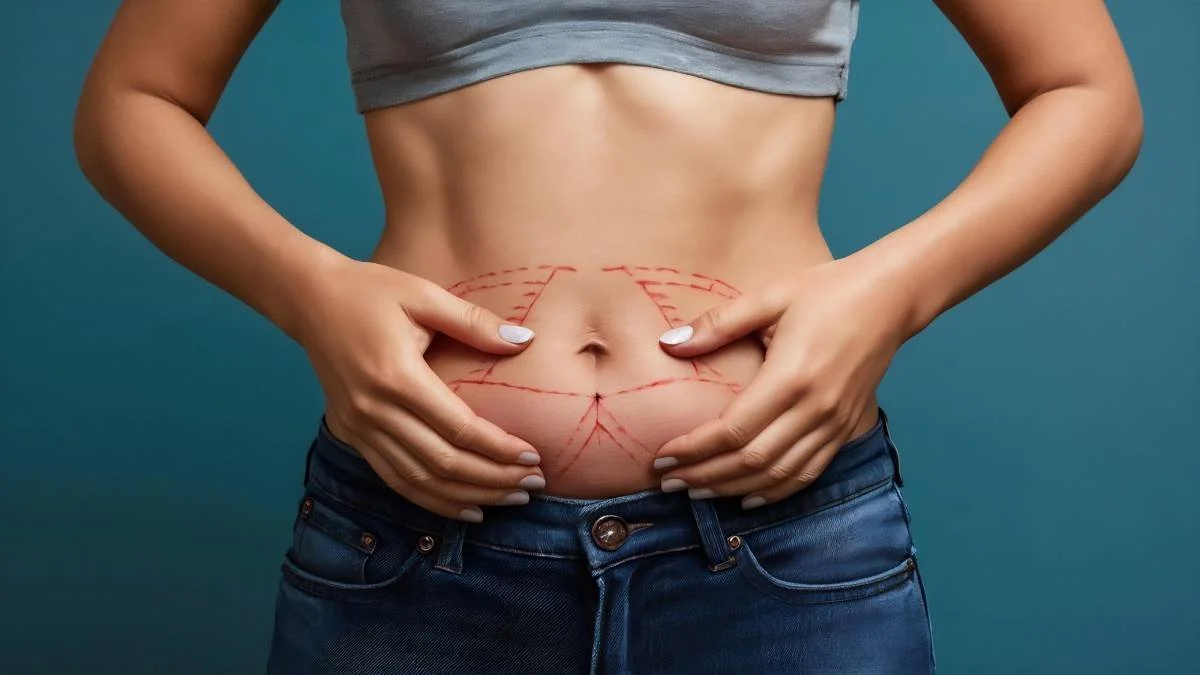
A tummy tuck (abdominoplasty) can be one of the most transformative procedures a person chooses for their body, but the results do not appear overnight. Recovery is a gradual process, and knowing what happens week by week can make the entire journey feel far less overwhelming. If you are considering surgery or have already booked your date, here is a realistic, stage-by-stage look at what your healing timeline may look like.
Before Surgery: Setting Yourself Up for Success
Recovery actually begins before you ever step into the operating room. Arranging time off work, prepping your home with pillows and easy-to-reach essentials, stocking loose, comfortable clothing, and lining up a friend or family member to help during the first few days all make a real difference. Following your surgeon’s pre-operative instructions, including any guidance on smoking, medications, and supplements, helps reduce complications and supports smoother healing later on.
Days 1 to 3: Rest and Recovery Begin
During the first week, recovery is at its most physically demanding stage. Swelling and bruising usually reach their peak between days three and five before then beginning to improve slowly. Pain can generally be controlled with the medication prescribed, and a great many patients refer to it as a feeling of tightness or pressure rather than sharp pain.
During these first few days, rest is the priority. You will need help with basic tasks such as getting up, showering, and preparing meals. Walking short distances, even just around the house, is encouraged early on to support circulation and lower the risk of blood clots, but bending at the waist should be avoided. Expect to sleep in a slightly reclined position with your knees bent to reduce tension on your incision.
Week 1: Managing Swelling and Discomfort
The first week tends to be the most physically demanding part of recovery. Swelling and bruising typically peak around days three to five before gradually starting to improve. Pain is generally manageable with prescribed medication, and many patients describe the sensation as tightness or pressure rather than sharp pain.
You should continue wearing your compression garment as directed, keep incisions clean and dry, and attend your first post-operative follow-up appointment. This is also when your drain, if you have one, may be removed once fluid output has slowed enough. Most people are still walking in a slightly hunched posture at this stage, and that is completely normal.
Weeks 2 to 3: Gaining Mobility
During the second week, a great many patients find that their comfort and energy are significantly better. It becomes easier to stand up straight and, with the surgeon's permission, you may be able to carry out everyday tasks such as light housework or short trips. The bruising keeps on disappearing, although the swelling can still appear and disappear, especially later in the day.
Some patients return to desk jobs around this point, especially if their commute is short and their role does not require physical strain. Heavy lifting, core exercises, and any activity that puts pressure on the abdomen should still be avoided. This is also a common stage for patients to experience emotional ups and downs as the excitement of surgery meets the reality of a slower-than-expected recovery. That is entirely normal and tends to pass as visible progress continues.
Weeks 4 to 6: Returning to Normal Life
This stretch of recovery often feels like a turning point. Swelling continues to decrease, incision lines begin to soften, and most patients can resume light exercise such as walking longer distances or gentle stretching, again only with their surgeon’s sign-off. Many people feel comfortable returning to more demanding jobs by week four or five, depending on how physical the work is.
Around the six-week mark, most surgeons clear patients for moderate exercise, including light cardio and lower body movements, while still asking them to hold off on intense core work or heavy lifting for a bit longer. Compression garments may still be recommended part-time to support the tissue as it continues to settle.
Weeks 6 to 8: Building Back Strength
At this point, most patients are beginning to feel more like themselves; their energy levels are mostly returned to what they were before, and their daily routines hardly seem limited. The surgeon will probably approve a gradual resumption of core strengthening exercises, but it is still advised not to start off with intense workouts. Since the scar tissue is still maturing, the best course of action is to perform gentle, progressive movements.
Months 3 to 6: Refining Results
Swelling continues to resolve slowly over these months, and the final contour of your abdomen becomes more apparent. Scars, while still visible, typically begin fading from a red or pink tone to something softer and less noticeable. Most patients are fully back to their normal exercise routines, including core-focused workouts, by this stage, though full internal healing can continue for up to a year.
Tips for a Smoother Recovery
Follow your surgeon’s instructions closely, even when you start feeling better.
Stay hydrated and eat protein-rich, nutrient-dense meals to support tissue repair.
Avoid smoking and alcohol, both of which can slow healing.
Wear your compression garment as directed, even if it feels inconvenient.
Be patient with swelling, which can fluctuate for months before fully settling.
Attend every follow-up appointment so your surgeon can monitor your progress.
Ready to Take the Next Step?
Every recovery is different, and the timeline above is simply a general guide, not a guarantee. The best way to understand what your personal healing journey will look like is to speak with an experienced, board-certified surgeon who can walk you through the process based on your goals and health history. At The Centre for Personal Surgery in Burlington, Dr. Otto Weiglein and his team have guided patients through abdominoplasty recovery for over 25 years, offering personalized care from your very first consultation through every stage of healing. If you are ready to explore whether a tummy tuck is right for you, book your consultation today and take the first step toward a flatter, more confident you.
Frequently Asked Questions
-
Most patients feel significantly better within four to six weeks, though full internal healing and final results can take three to six months to fully develop.
-
Desk jobs are often possible within one to two weeks, while physically demanding jobs typically require four to six weeks of recovery time before returning.
-
Light walking is encouraged almost immediately, while core exercises and intense workouts are usually restricted until around six to eight weeks post-surgery.
-
Swelling peaks in the first week and gradually improves over several months, with subtle changes continuing to settle for up to a year after surgery.
-
Most patients can transition out of an elevated, knees-bent position within two to three weeks, once tightness around the abdomen begins to ease.
-
Compression garments are typically worn full time for the first few weeks, then part time for several more weeks as your surgeon recommends based on healing.